Patent Assignment and Proof of Right in India

Who owns an invention created by an employee? Is a separate assignment deed always necessary to establish patent ownership? Recent decisions of the Madras and Delhi High Courts have brought much-needed clarity to the law governing patent assignments and proof of right in India. These judgments emphasize that ownership is determined by the substance of the underlying legal relationship rather than mere technical formalities. This article examines the statutory framework under the Patents Act, 1970, the distinction between assignment of the right to apply and assignment of a granted patent, and the evolving judicial approach towards employment agreements, inventor declarations, and documentary evidence establishing patent ownership.
What Are Standard Essential Patents? How Modern Technology Depends on SEPs

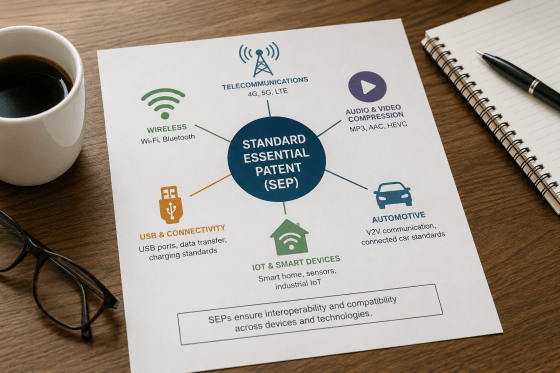
Standard Essential Patents (SEPs) form the invisible legal and technological infrastructure behind modern connectivity. From smartphones and Wi-Fi routers to smart vehicles and streaming platforms, countless technologies function through common technical standards that ensure interoperability across devices and networks. When a patented invention becomes indispensable for implementing such a standard, it transforms into a Standard Essential Patent. Because manufacturers cannot comply with the standard without using the patented technology, SEPs occupy a unique position at the intersection of patent law, innovation policy, and competition regulation. This article explains the concept of SEPs, their role across different technological sectors, and the significance of FRAND licensing obligations in maintaining balance between innovation and market access.

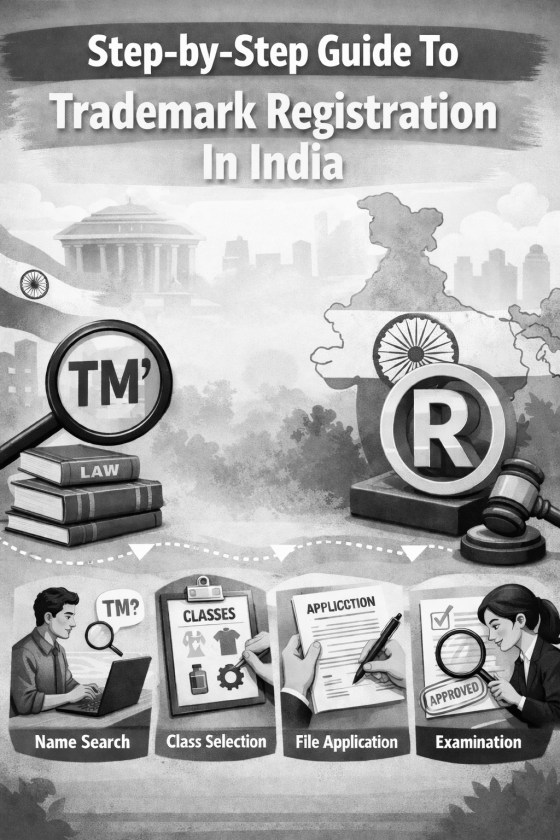
Step-by-Step Guide To Trademark Registration In India

Protect your brand before someone else claims it. Our trademark registration service in India delivers a precise, end-to-end solution, from availability search and class selection to filing, examination handling, and final registration. Backed by sharp legal strategy and practical experience, we minimise objections, reduce delays, and secure your rights with confidence. Whether you are a startup, business owner, or creator, we ensure your trademark is not just filed, but protected and enforceable.

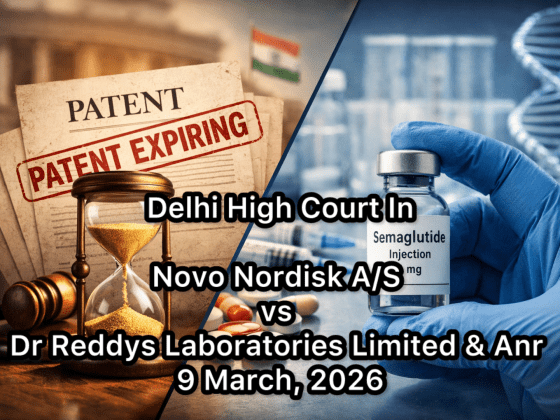
Delhi HC on Injunctions When Patent Granted Is Near Expiry [Pharma Litigation]

As patent protection approaches its final phase, the utility of interim injunctions comes under scrutiny. In Novo Nordisk v. Dr Reddy’s, the Delhi High Court holds that a credible challenge to validity, coupled with the limited remaining patent term, can outweigh claims of irreparable harm, signalling a more context-driven approach to interim relief in pharmaceutical patent disputes.

Dominant Feature and Phonetic Similarity in Composite Trade Marks

In Asian Paints Limited v. Tarun Paints Private Limited, the Delhi High Court revisited the established doctrine of deceptive similarity in trademark law while examining the competing marks “ASIAN PAINTS” and “ASIA TUFF.” The decision provides a concise application of principles concerning dominant features in composite trademarks, phonetic proximity, and the assessment of consumer confusion where identical goods are involved.

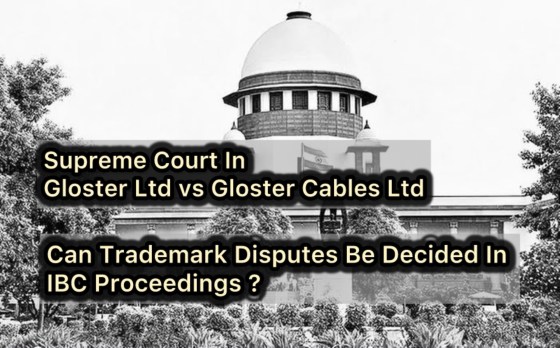
Supreme Court On Whether Insolvency Tribunals Can Decide Trademark Ownership Disputes

Can insolvency tribunals decide trademark ownership disputes? In the Gloster trademark case, the Supreme Court clarified the limits of NCLT’s powers under the Insolvency and Bankruptcy Code and held that trademark ownership must be decided by civil or statutory forums, not within insolvency proceedings.