
In a commercial relationship involving intellectual property (IP), termination of an agreement can have consequences far beyond the end of … More

Laws…Analysis…Updates…And More
In a commercial relationship involving intellectual property (IP), termination of an agreement can have consequences far beyond the end of … More

The Intellectual Property You May Not Know You Own When businesses think of intellectual property (IP), they often associate it … More
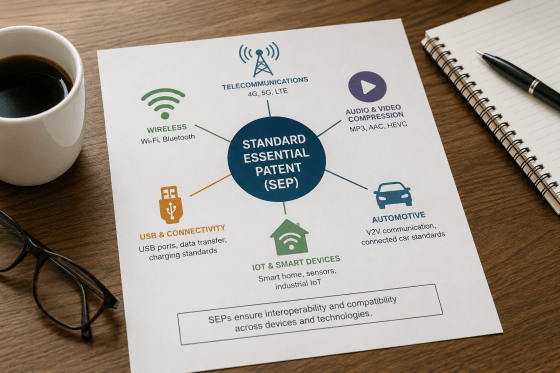
Standard Essential Patents (SEPs) form the invisible legal and technological infrastructure behind modern connectivity. From smartphones and Wi-Fi routers to smart vehicles and streaming platforms, countless technologies function through common technical standards that ensure interoperability across devices and networks. When a patented invention becomes indispensable for implementing such a standard, it transforms into a Standard Essential Patent. Because manufacturers cannot comply with the standard without using the patented technology, SEPs occupy a unique position at the intersection of patent law, innovation policy, and competition regulation. This article explains the concept of SEPs, their role across different technological sectors, and the significance of FRAND licensing obligations in maintaining balance between innovation and market access.
Doctrinal and procedural limits of criminalising speech, constitutional protection. Substantive thresholds and procedural safeguards under the BNSS, Supreme Court in Imran Pratapgadhi v. State of Gujarat.
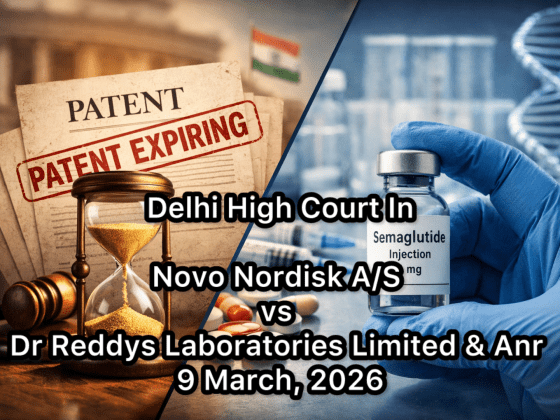
As patent protection approaches its final phase, the utility of interim injunctions comes under scrutiny. In Novo Nordisk v. Dr Reddy’s, the Delhi High Court holds that a credible challenge to validity, coupled with the limited remaining patent term, can outweigh claims of irreparable harm, signalling a more context-driven approach to interim relief in pharmaceutical patent disputes.
In Asian Paints Limited v. Tarun Paints Private Limited, the Delhi High Court revisited the established doctrine of deceptive similarity in trademark law while examining the competing marks “ASIAN PAINTS” and “ASIA TUFF.” The decision provides a concise application of principles concerning dominant features in composite trademarks, phonetic proximity, and the assessment of consumer confusion where identical goods are involved.
The judgment in UPL vs Haryana Pesticides (2026), decided on 5 February 2026 by the Calcutta High Court’s Intellectual Property … More
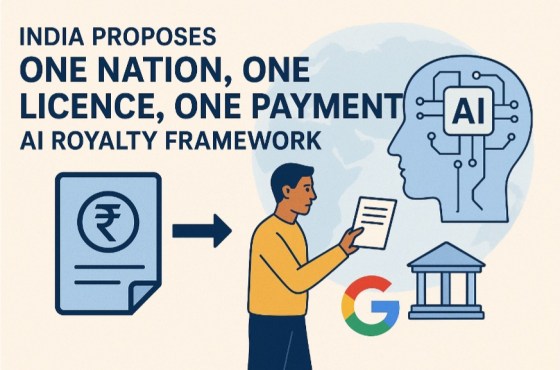
As the global debate on AI and copyright intensifies, India has introduced a unified royalty system that mandates payments from AI companies for training on books, music, films, articles, and other protected works. The proposal seeks to balance creator rights with technological progress

As online matchmaking becomes the new normal, the shaadi[dot]com case serves as a crucial reminder of the legal risks of matrimonial websites in India. While matrimonial platforms promise verified profiles and safe connections, recent court rulings highlight how these sites are protected under Section 79 of the IT Act and the safe harbour clause, limiting their liability for user misconduct. This case exposes the growing tension between digital love and legal responsibility, raising important questions about user safety, data privacy, and accountability in India’s booming online matrimony industry.
Delhi HC in Ashiana Ispat v. Kamdhenu (2025) questions Trade Marks Registry’s search process, clarifies Rule 33 duty and writ maintainability

