Doctrinal and procedural limits of criminalising speech, constitutional protection. Substantive thresholds and procedural safeguards under the BNSS, Supreme Court in Imran Pratapgadhi v. State of Gujarat.
Laws…Analysis…Updates…And More
Doctrinal and procedural limits of criminalising speech, constitutional protection. Substantive thresholds and procedural safeguards under the BNSS, Supreme Court in Imran Pratapgadhi v. State of Gujarat.
As patent protection approaches its final phase, the utility of interim injunctions comes under scrutiny. In Novo Nordisk v. Dr Reddy’s, the Delhi High Court holds that a credible challenge to validity, coupled with the limited remaining patent term, can outweigh claims of irreparable harm, signalling a more context-driven approach to interim relief in pharmaceutical patent disputes.
In Asian Paints Limited v. Tarun Paints Private Limited, the Delhi High Court revisited the established doctrine of deceptive similarity in trademark law while examining the competing marks “ASIAN PAINTS” and “ASIA TUFF.” The decision provides a concise application of principles concerning dominant features in composite trademarks, phonetic proximity, and the assessment of consumer confusion where identical goods are involved.
The judgment in UPL vs Haryana Pesticides (2026), decided on 5 February 2026 by the Calcutta High Court’s Intellectual Property … More
Does the Constitution guarantee minimum wages to domestic workers? The Supreme Court answered this in 2026. In Thozhilalargal Sangam & Ors. v. … More
Can insolvency tribunals decide trademark ownership disputes? In the Gloster trademark case, the Supreme Court clarified the limits of NCLT’s powers under the Insolvency and Bankruptcy Code and held that trademark ownership must be decided by civil or statutory forums, not within insolvency proceedings.
A creator must know these concepts to protect their rights. So I’m going to breakdown the concept of what is … More
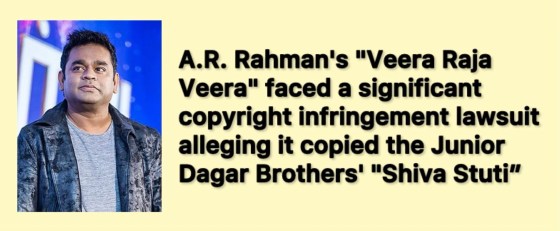
An in-depth exploration of moral rights, performers’ rights, and copyright in Indian music, explained through the A.R. Rahman v. Dagar case. Learn how Indian law balances authorship, performance, and tradition in creative ownership.
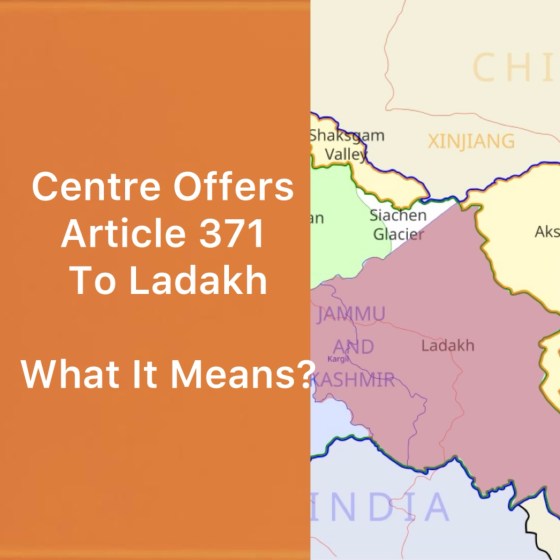
The Centre has hinted at granting Article 371-like safeguards to Ladakh to address growing unrest and local demands. Ladakhi groups have insisted on statehood and Sixth Schedule status.
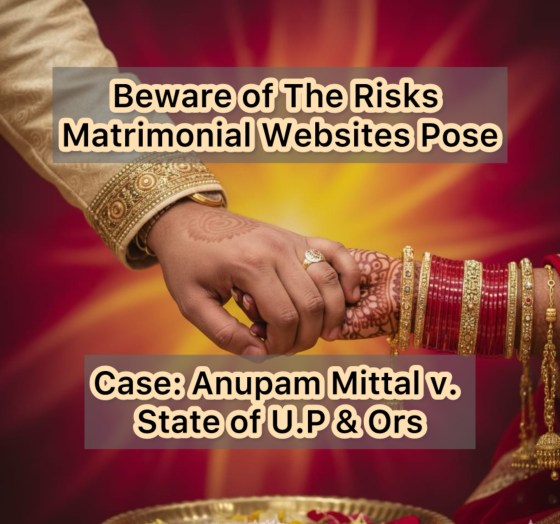
As online matchmaking becomes the new normal, the shaadi[dot]com case serves as a crucial reminder of the legal risks of matrimonial websites in India. While matrimonial platforms promise verified profiles and safe connections, recent court rulings highlight how these sites are protected under Section 79 of the IT Act and the safe harbour clause, limiting their liability for user misconduct. This case exposes the growing tension between digital love and legal responsibility, raising important questions about user safety, data privacy, and accountability in India’s booming online matrimony industry.
 LAW-IP AND MORE